
Surprise! Surprise! Surprise!
“But God shows his love for us in that while
we were still sinners, Christ died for us.
Romans 5:8 (ESV)
Growing up in the 1960s, one of my favorite television programs was The Andy Griffith Show. One of the most memorable characters of the stellar cast was Gomer Pyle, the good natured, unsophisticated gas station attendant whose most memorable line was “Surprise! Surprise! Surprise!”
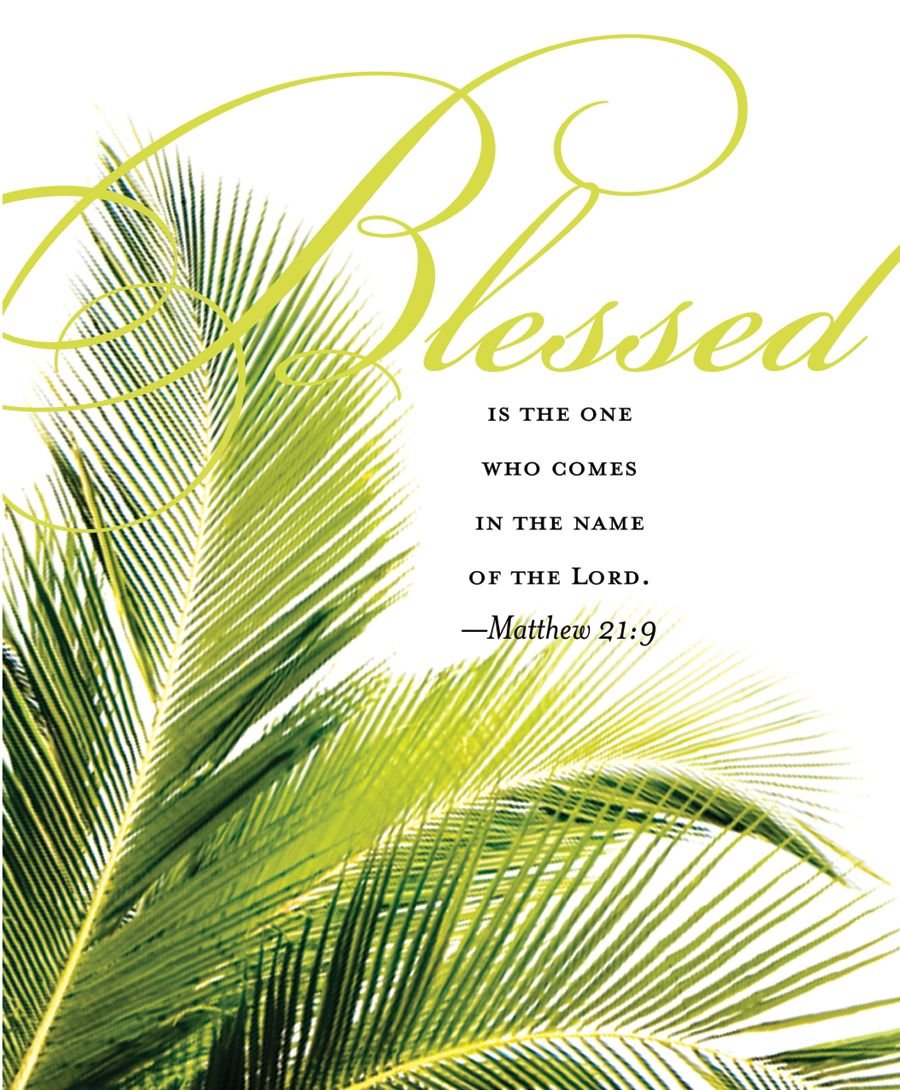
Those words could also be the theme of the first Holy Week. Everything about this week is a surprise. Because he is a king, Jesus deserves a coronation. This regal coronation, however, is full of surprises. On Palm Sunday Jesus doesn’t come with an army but enters Jerusalem with a mob of peasants. He isn’t riding a white war horse of victory but riding a burden bearing donkey. Instead of war, he comes in peace. The jubilant crowds are not waving swords, but palm branches. Jesus doesn’t attack a Roman fortress; he cleanses the Temple. He is not defeating oppressors; he is debating Jewish religious leaders. By the end of this week, he will be betrayed by Judas and abandoned by the rest of his disciples. The adoring crowds who declared him the King of Israel on Palm Sunday will angrily be demanding his death on Good Friday.
Holy Week’s surprises do not end with Jesus’ crucifixion. On the cross Jesus forgives a thief who was being crucified next to him promising, “Today you will be with me in paradise” (Luke 23:43).
In his book, The Man on the Middle Cross, Pastor Alistair Begg imagines this thief stepping hesitantly into the splendor of heaven, still dazed but gloriously free from the agony of his final moments on earth. The thief is being questioned by some angels. Begg writes:
“What are you doing here?” an angel asks him.
“I-I don’t know,” the thief replied.
“What do you mean, you don’t know?”
“I mean…I don’t know.”
A supervisor is summoned and a checklist is read. The angels ask the thief questions to ascertain if the man is clear on the doctrine of justification by faith and whether the man has been baptized. The thief admits he has not.
“Then on what basis are you here?” the senior angel asks.
“The man on the middle cross said I could come,” the thief finally replied.
Alistair Begg concludes saying:
“And that’s the point, isn’t it? It’s the astonishing truth that shattered religious expectations then- and still does today. (The thief) didn’t have time to go to Bible studies, go to church and get baptized, or to give money to charity. He didn’t have time to do any of those things that most people associate with being religious, and yet Jesus promised him a place in heaven. No theological tests. No religious achievements because heaven isn’t earned. It’s a gift. It’s pure grace from start to finish- unfiltered, unearned, freely given.”
The biggest surprise of Holy Week occurs however, not on Friday when Jesus was crucified, but on Sunday when he was resurrected! Nobody expected his resurrection even though Jesus had told the disciples three different times that he would rise on the third day (Mark 8:31;9:31;10:34). The women who had followed him throughout his ministry prepared spices to anoint his dead body, never expecting a resurrected Christ. They expected a sealed tomb secured by a heavy stone. On arrival, they found the stone rolled away, an empty tomb, and an angel who announced, “He is risen!” (Mark 14:6)
That has been the good news of the Gospel and the creed of the Church for the last 2000 years.
Read the Gospel accounts and you will find that Jesus’ birth, life, and ministry are a constant surprise. Author Richard Hays writes, “God’s manner of revelation is characterized by hiddenness, reversal, and surprise.”
Jesus came in weakness, suffering, and service, not strength and force, to die as a ransom for us. This week as we prepare for Easter Sunday, why not read one of the Gospel accounts of the final days of Jesus and the week that changed the world?
“God made him who had no sin to be sin for us, so that in him we might become the righteousness of God.” (2 Corinthians 5:21) Jesus’ death wasn’t just the Great Reversal; it was also the Great Exchange. Sin’s curse was broken with Christ’s atoning death and resurrection.
And surprise! Everything was turned upside down!