
Hospitality Beyond the Pew
“Therefore welcome one another
as Christ has welcomed you.”
Romans 15:7 (ESV)
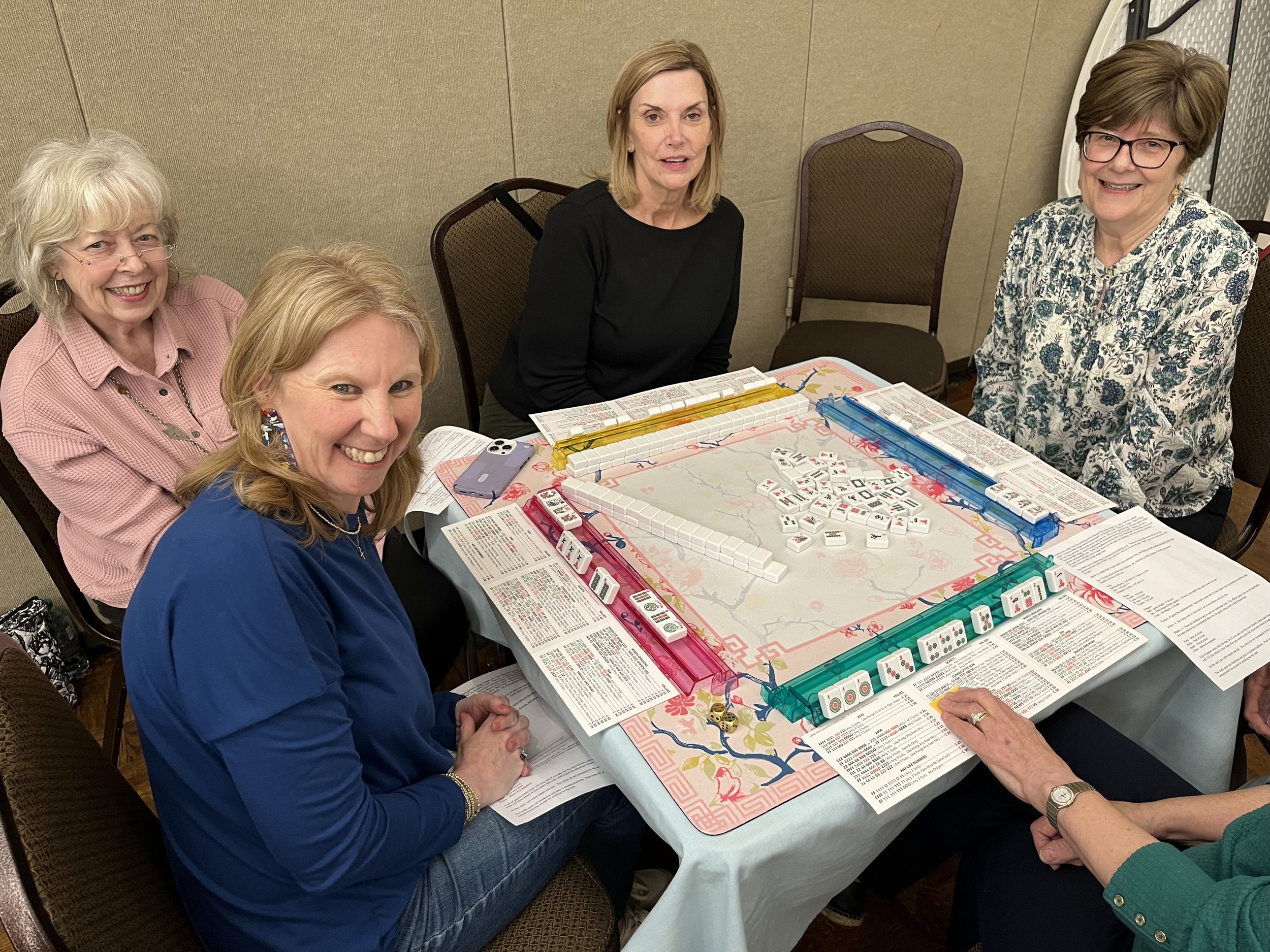
Normally when we consider hospitality, most of us think about inviting folks into our homes to share a meal. Originally, however, the word hospitality meant “love of strangers.” Author Kim Barnes writes:
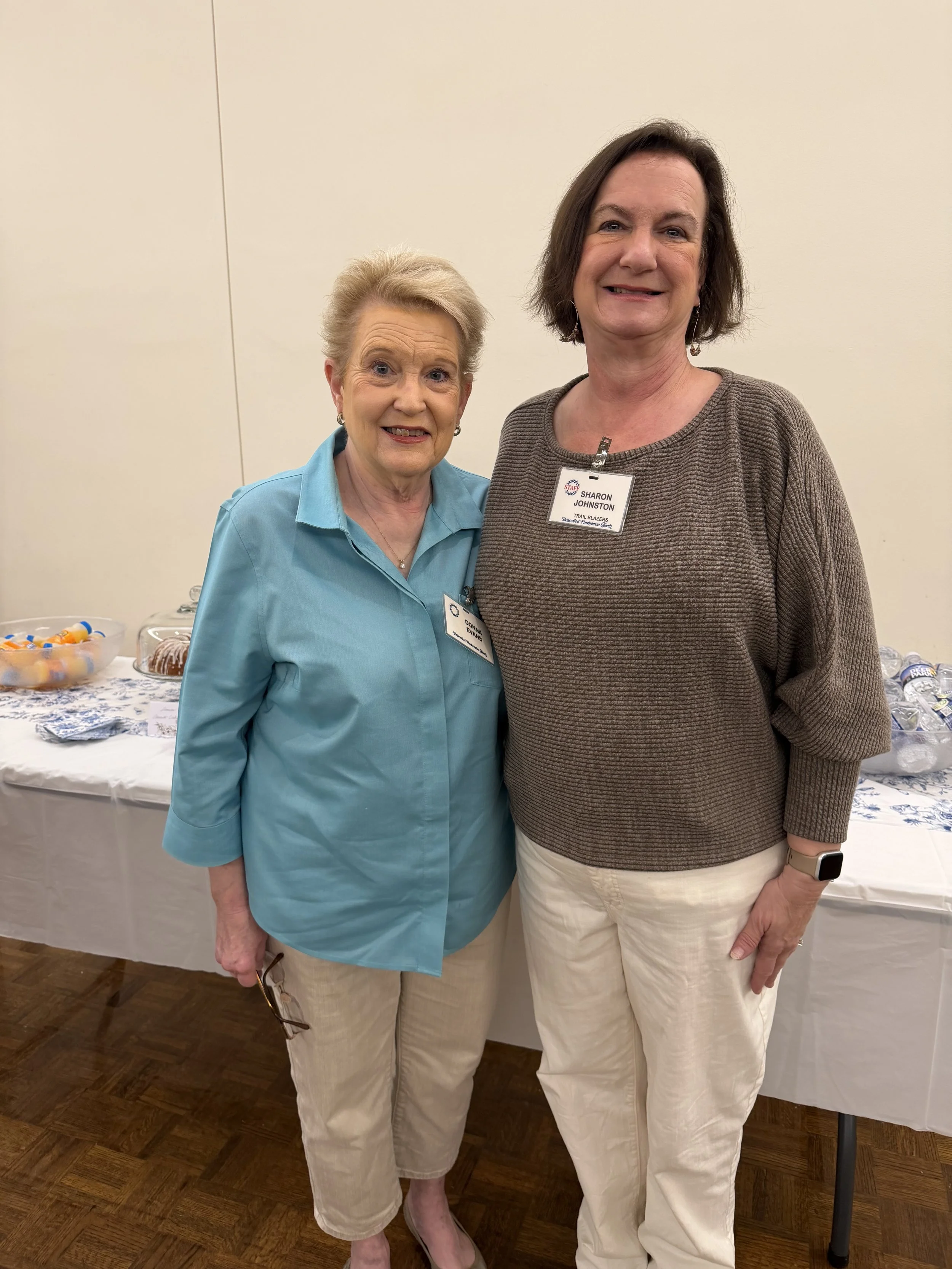
“True hospitality goes beyond setting a table or serving a meal. At its heart, it’s about making space for others—physically, emotionally, and spiritually…seeing people as image-bearers rather than inconveniences or interruptions and welcoming them. And one of the simplest, yet most profound, ways to welcome someone—to practice hospitality—is to learn their name.”
The Apostle Paul certainly understood the importance of remembering people’s names. At the end of his letter to the Romans, Paul lists 26 people by name; gives each a brief personal commendation; and instructs the predominantly Gentile church to greet and welcome one another. Paul’s list includes the names of both men and women all with different ethnic, gender, social, cultural, and socioeconomic backgrounds. All are to be welcomed.
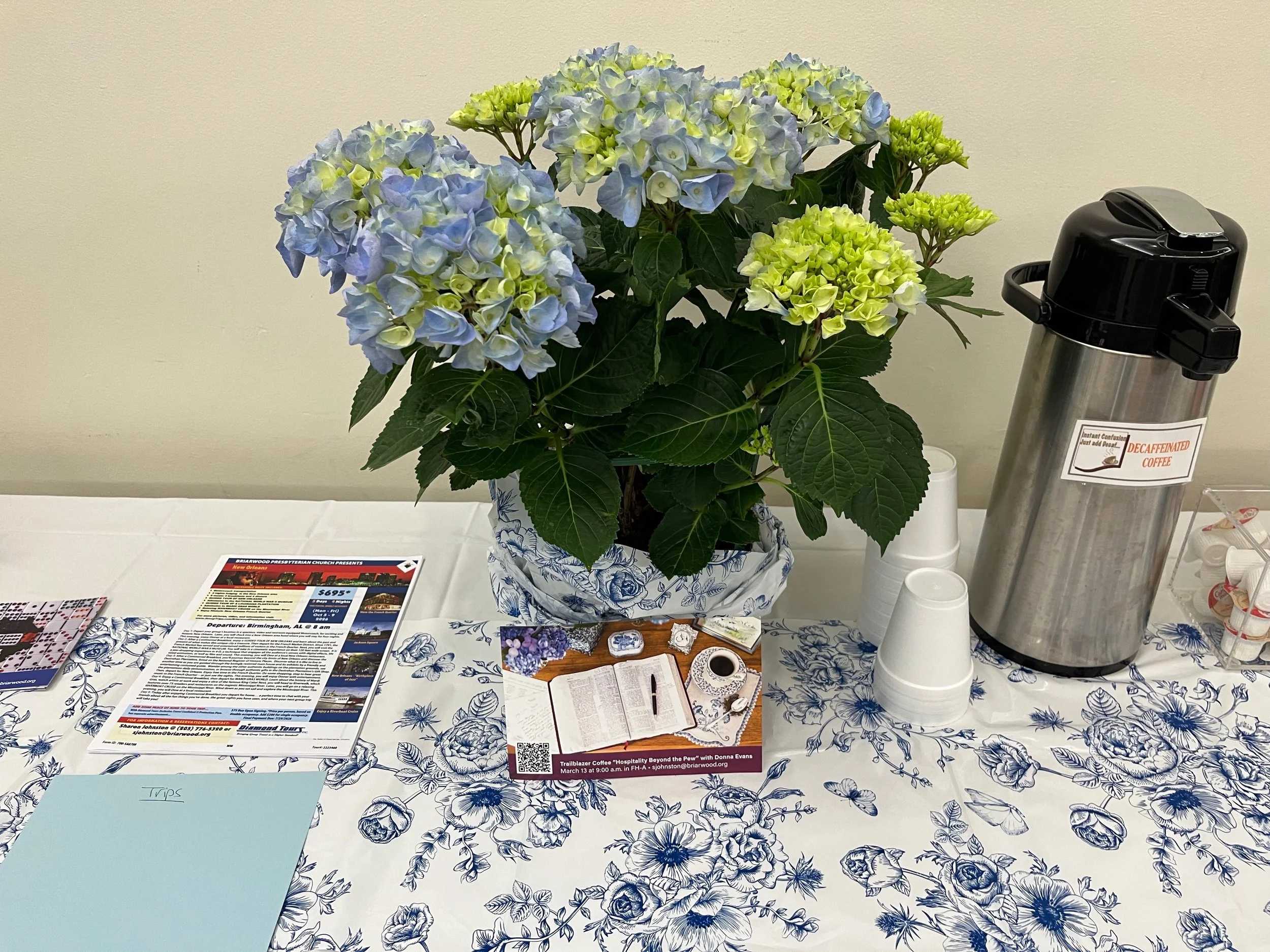
Hospitality begins with a name, but it doesn’t end there. It builds community by creating bridges and finding common ground. Community is that reciprocal rootedness and connection that we all long for. God made us for community and relationship, both vertically with him, and horizontally with each other.
Author Jane Howard writing on community says, “Call it a clan, call it a tribe, call it a network, call it a family. Whatever you call it, whoever you are, you need one.”
Biblical hospitality focuses on others rather than self; provides the gift of place, and seeks to make others feel welcomed, wanted, and worth the trouble. But biblical hospitality should never be limited just to our homes. We can also practice hospitality in our workplaces, churches, neighborhoods, schools, and communities by extending grace and offering the gift of place. The gift of place provides space for people to be accepted, affirmed, and allowed to grow. Invitation and inclusion are the two essential actions required for practicing hospitality no matter the location.
Several years ago, I began praying that God would allow me to serve on a medical mission trip. It seemed an impossible request considering the logistics associated with James Bruce’s care, but I kept praying.
One Saturday our family attended a special needs lake picnic. Another Mom had invited a new family to come. Surprisingly, they did- all the way from Hungary! I quickly learned that my new friend Adrien and I shared much in common. Adrien was a special needs mom living less than ten minutes from my house. She was also a pharmacist in Hungary and her husband was working on his PhD at my hospital. We connected almost immediately.
"Where do you go to church?" I asked hesitantly.
"We'd like to go to church, but we don't know where to go,” Adrien replied. “Where do you go?"
With that exchange, Adrien literally walked into my life. My longed-for mission trip became a 22-month friendship that didn’t just change Adrien’s life; it changed mine! Together Adrien and I enjoyed coffee at Panera, Sunday School at Briarwood, covered dish dinners, special education IEPs, and multiple ESL flash card sessions. Family weddings, nativity walk-throughs, and high school baseball games all provided opportunities to demonstrate hospitality and develop our friendship with Adrien and her family until they returned to Hungary.

Along the way, I was privileged to see many changes come into my new friend's life, but none was more significant than the day I drew the Bridge-to-Life diagram on a restaurant paper napkin. We were eating lunch when Adrien suddenly cried, "I now know why we had to come to the United States. I finally have some light in my darkness!"
My friendship with Adrien began with an unexpected invitation to a picnic. Ultimately that invitation prepared Adrien to accept a greater invitation to personally know Jesus. Invitation and inclusion require us to take a risk, get out of our comfort zones, and look beyond ourselves and our pews. There are countless ways we can provide biblical hospitality. Not all of them include providing food or opening our homes, but each one requires us to first open our hearts.
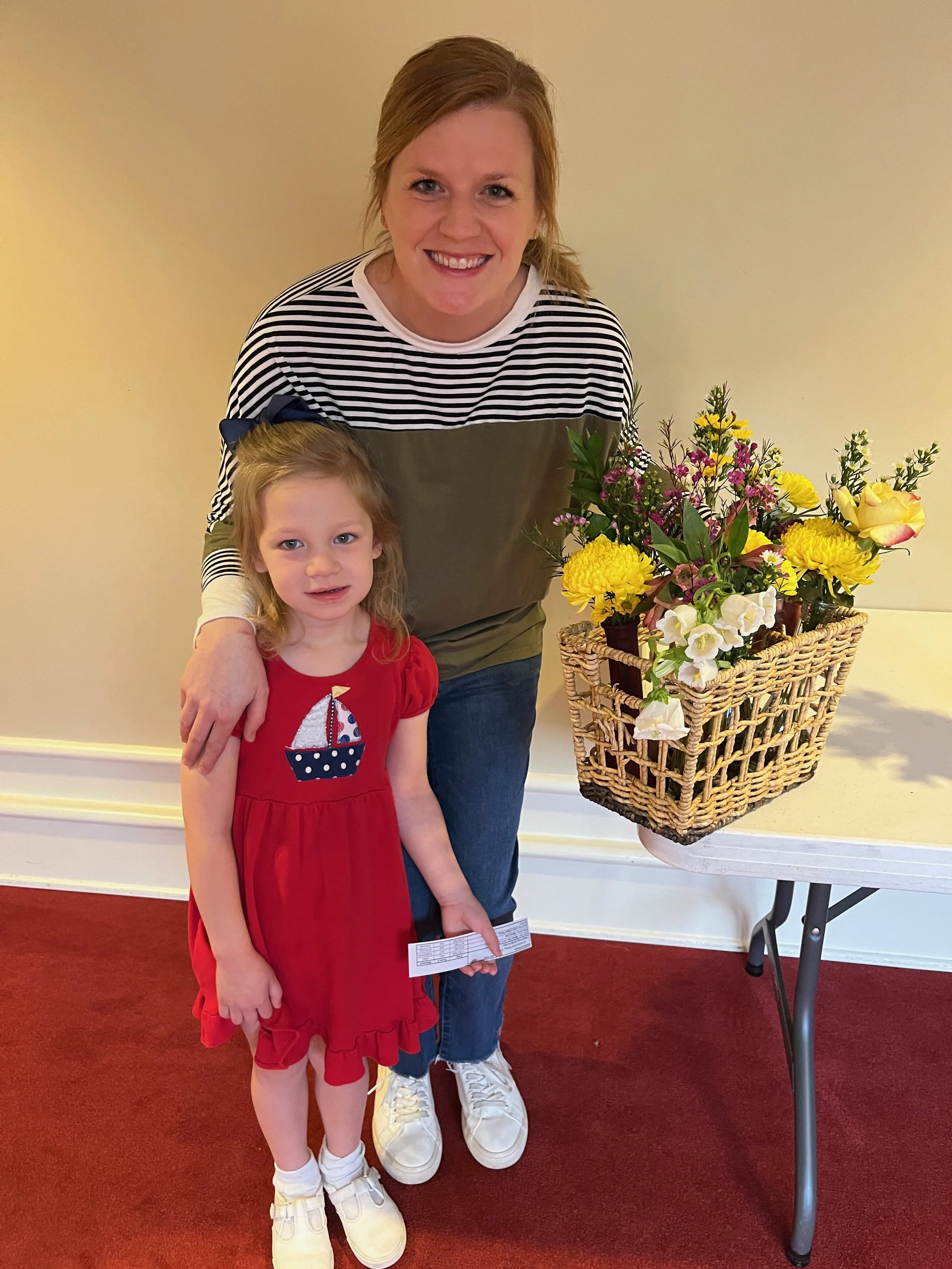
Hospitality makes gospel bridges possible when we notice people. All of us want to be known, greeted, and welcomed by name. If your church uses name tags, wear yours, take a risk, get out of your pew (or comfort zone), and learn someone else’s name. Establish points of connection by asking good questions. One great conversation starter is simply, “How can I best pray for you this week?” And then pray!
“…Hospitality…see(s) strangers as neighbors and neighbors as family of God.”
(Rosaria Butterfield, The Gospel Comes with a House Key)
Welcome one another!