
First Responders
"Comfort one another.”
2 Corinthians 13:11 (ESV)

When James Bruce died, one of my first thoughts was, “What will I write about now that he’s gone?” Little did I know that the chronic sorrow that accompanied our special needs parenting journey would soon lead to opportunities to speak on other aspects of grief. Much like the birth and parenting processes, knowing about grief is much different than knowing grief itself.
One of my favorite television programs is the CBS hit drama Blue Bloods. The storyline centers around the Reagans, a family with a four-generation legacy of New York Police Department (NYPD) officers. A frequent topic at the weekly Reagan family dinner table is the subject of "first responders." These individuals are usually the first people on the scene of a crisis or emergency. Firefighters respond to help with fires; EMTs help with medical emergencies; and police officers are first responders to crimes and accidents.
In one harrowing Blue Bloods episode, Officer Jamie Reagan tells another officer, "We're the crazy ones Eddie! Most people run away from danger. We're trained to run to it!"

With James Bruce’s death, we had our own first responders. Our community pastor Bobby and his wife Jan insisted on coming to our home that first night despite my multiple protests. Honestly, our collective grief was so intense, I didn’t want to see anyone else beside my immediate family.
“We’re not going to stay, but we want to pray with you,” they said firmly.
On arrival Bobby and Jan hugged us tightly and all our tears flowed freely in my kitchen. Bobby began praying, but he couldn’t get any words out except tears and cries of deep anguish. His wife Jan jumped in and began praying for us with one of the most heartfelt prayers I’ve ever heard. It was a holy ground moment for me because, as another friend observed, “James Bruce changed the way we prayed.” Indeed, he did. I will always be grateful for their immediate presence and prayers. They were truly First Responders.

There are several other kinds of Grief Responders, and each one is needed at some point in our grief journeys.
Rapid Responders are the folks who react quickly by providing meals and offering support for whatever needs to be done after the death but before the funeral. We were blessed with rapid responders who brought not only food, but everything from paper products to new porch ferns!

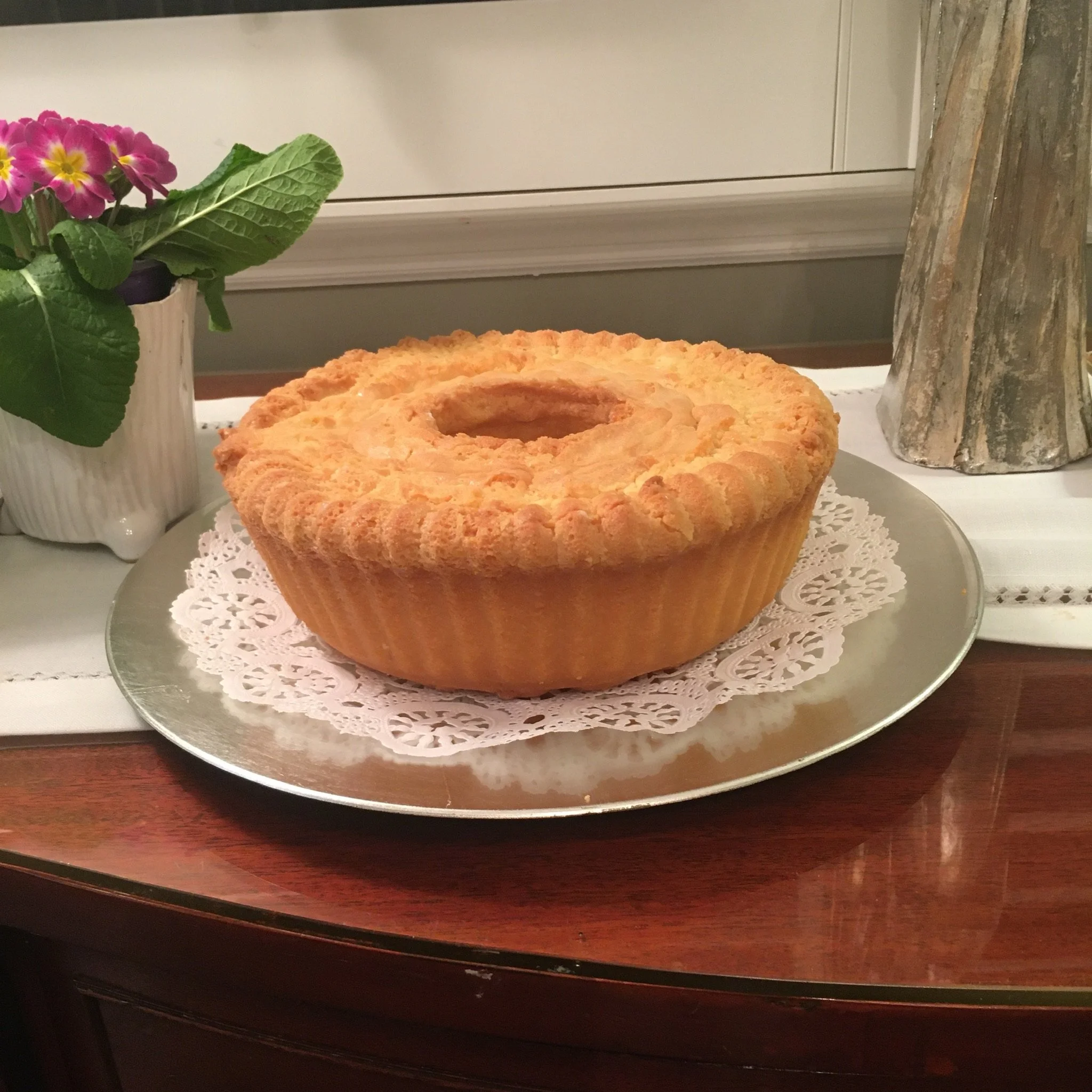
Support Responders are those who come alongside you in the days immediately following the funeral. One young mom from my Bible study brought a pound cake (my favorite comfort food) and a pot of fresh coffee after school carpool one morning. Her visit and tears refreshed me greatly. Another thoughtful anonymous person left 100 postage stamps in my mailbox to help with writing thank you notes.

Long-term Responders are the folks who continue to check in after the initial shock has subsided. Recently on the fourth anniversary of James Bruce’s death, I had a kind email from a friend living in another country. He too lost a beloved son and understands that birthdays and death dates are particularly difficult. Our friend’s remembrance and prayer brought us great comfort. Another dear friend left a small gift and “praying for you” note on our porch. Both acts were God-given tender mercies by long term responders who understand the prolonged nature of grief and loss.
Following James Bruce’s death, I purposed to be a better Grief Responder and made journal notes on the things that best helped us get through those first painful days, weeks, and months. I hope these thoughts will help all of us be better equipped as a grief responder.
If in doubt, go! Your presence is a gift of comfort to those who are grieving. I don’t remember a lot of the words that were spoken when James Bruce died, but I remember the people who loved us by coming and giving the gift of their presence.
Prayer helps. Don’t just pray for the grieving person, but also pray with her.
Hugs and tears help too.
Acknowledge their loss as a loss. It is!
When visiting, purpose to do more listening than talking.
Choose your words wisely. Instead of asking “How are you doing?” consider asking, “How are you today?” or “How can I best pray for you?”
Keep your visit short. Grief is exhausting and grief fog is real.
If you’re looking for a favorite grief resource for someone who has lost a loved one, Tim Challies Seasons of Sorrow is my favorite.

All of us need good Grief Responders and all of us, at some point, can be someone else's Grief Responder: someone who runs toward the need of the moment instead of running away from it. What kind of Grief Responder will you be?