Treasures of Darkness
“I will give you the treasures of darkness.”
Isaiah 45:3 (NASB)

Having a special needs child or family member with disabilities is radically life changing and challenging. I don’t want to ever forget how hard life with James Bruce was, but looking back, some of our family’s greatest blessings came out of both his life and death. Treasures of darkness are valuable truths learned in the darkness of sorrow, pain, and suffering that would never have been gleaned in the light, easier times of life. Much like diamonds discovered deep within the earth, treasures of darkness are hidden gems worth fighting for and finding.
Every step of the way we experienced God's sufficiency, faithfulness, strength, and provision. Four years after his death we continue gathering our broken pieces (John 6:12) and watch in amazement as God continues to use James Bruce in ways that we never would have imagined.
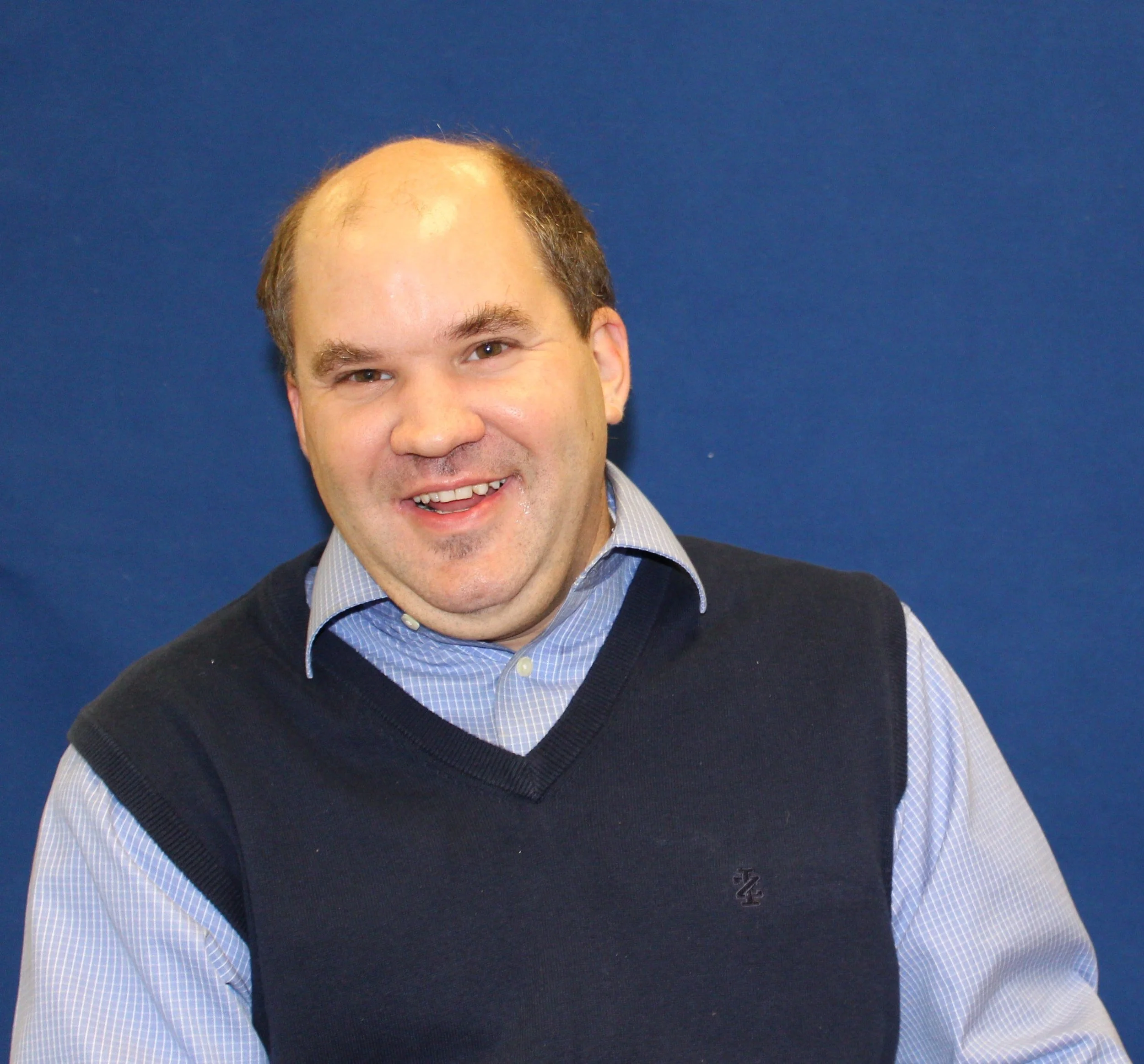
Three years ago, I was asked to serve on our church’s new Theology of Life Team. Our group’s assignment was to develop a twelve-week integrated Pro-Life “Womb to Tomb” curriculum to be taught throughout all adult Sunday School communities. Our Life Team consists of pastors, parents, and professionals who have worked together to develop appropriate materials for addressing current important life and cultural issues from a biblical worldview. Topics covered include:
What does it mean to be human?
Gender, sexuality, and identity
Fertility, birth control, infertility, IVF, abortion, and abortion recovery
Special needs, disability, fostering, and adoption
Aging, dementia, eldercare, and end of life decisions
Legal issues with wills, living wills, abortion, and euthanasia
Because a faithful biblical definition of “pro-life” is grounded in the Bible’s teaching of man—male and female—as the imago Dei, our Life Curriculum examines how we as Christians should understand, articulate, and defend the implications of biblical truth for the sanctity of all life, literally from “womb to tomb.”
We might not think that our views on abortion, aging, eldercare, special needs or disability share a connection, but Samuel James links them together with these words:
“Once you decide some human life doesn’t really matter, it becomes easier and easier to decide that other human life doesn’t either. The tide of logic that bears up the abortion regime also breaks against the lives of the elderly, the mentally ill, the depressed, etc…In so many corners of American life there is an ascendant hatred for those people who need more than self-help lit and positivity seminars.”
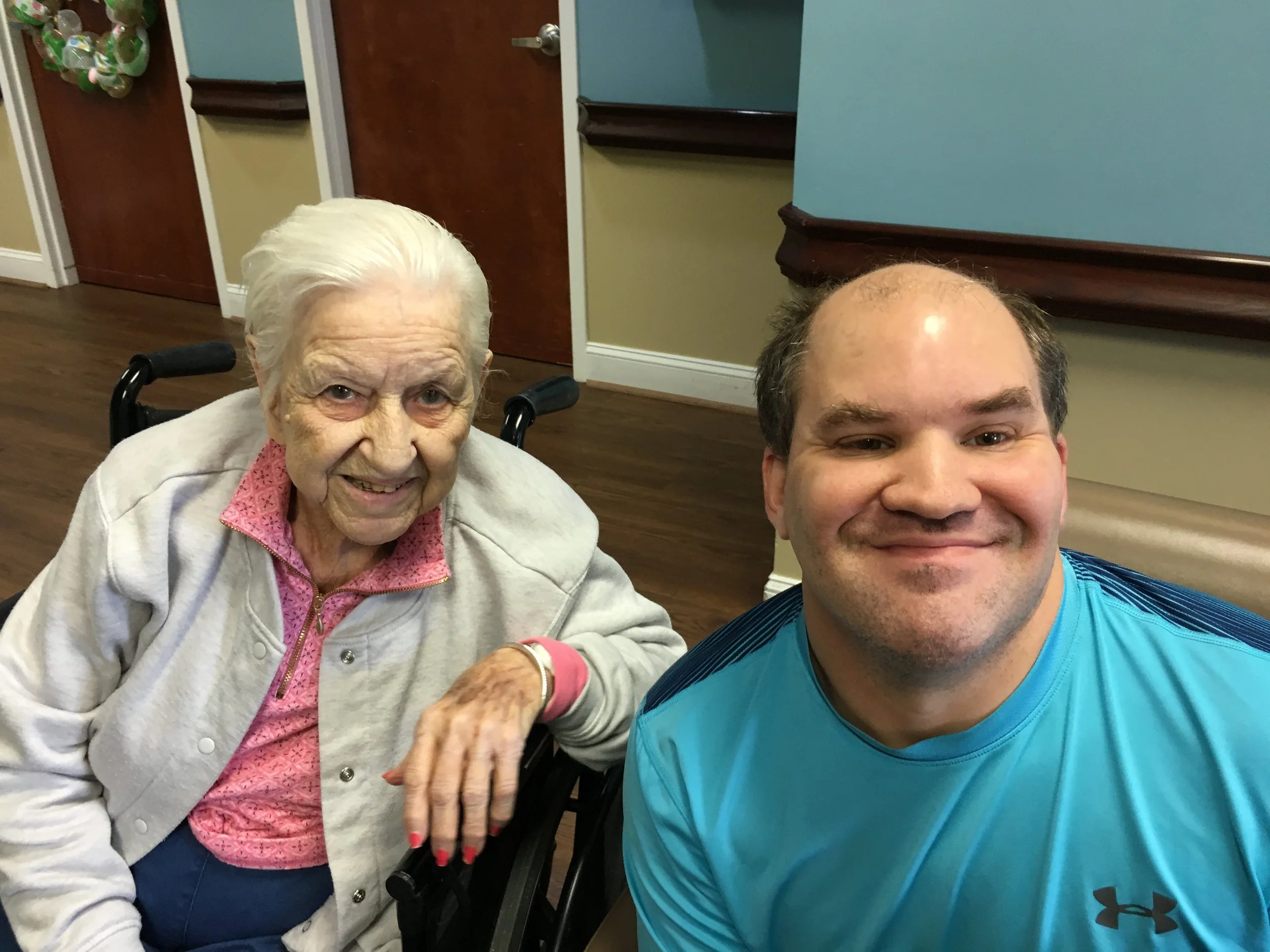
John 9 is the biblical basis for my Theology of Life session on disability and special needs. Bruce and I chose this passage for James Bruce’s memorial service. In context, Jesus and his disciples have just left the temple and encounter a blind man beggar on the side of the road. In that culture, disability was viewed as a punishment for sin.
The disciples ask Jesus, “Who sinned, this man or his parents, that he was born blind?” (v2)
Jesus replies, “Neither…this happened that the work of God might be displayed in his life. (v3)
John 9 has sixteen questions within five conversations and is all about the “seeing” as Jesus declares, “I am the light of the world.” (John 9:5)
Jesus sees a man born blind from birth. (9:1)
The disciples see a sinner. ((9:1)
The blind man sees darkness. (9:1)
The neighbors see a healed beggar. (9:8)
The Pharisees see a Lawbreaker. (9:16)
The blind man’s parents see a trap. (9:21-22)
The healed blind man sees Jesus. (9:25, 38)
By the end of John 9, it’s clear that everyone except the blind man is asking the wrong questions. The healed man correctly asks, “Who is Jesus?” and finds his spiritual blindness also healed. Our main problem is never our suffering; it’s always our sin.
Sunday morning I was privileged to share my testimony with an elderly Sunday School class as I taught the Disability session of our Life Curriculum. Listening to the group’s prayer requests before speaking, I was struck by how many of these dear saints are caregiving on the backend of life as they deal with aging, dementia, Alzheimer’s, and end of life decisions for both themselves or their spouses. I recognized the same fear, fatigue, and frustration that I experienced as a special needs parent.

The treasures I learned as a special needs mom are truths these dear ones needed to hear yesterday in their current season of life:
God is faithful (1 Corinthians 1:9)
God is sufficient (2 Corinthians 12:9)
God is good (Psalm 119:68)
God never wastes our suffering but can use it for both our good and for his glory. By His grace and for His glory, I will always be a special needs Mom who testifies that James Bruce’s life “ happened so that the work of God might be displayed in his life.” (John 9:3)